When I See U Again Drama
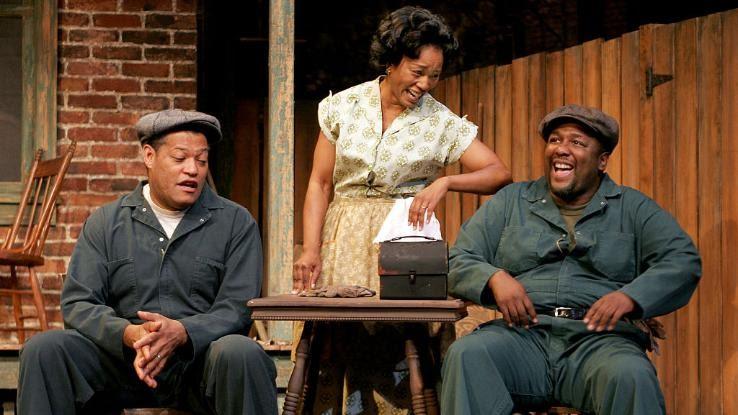
The modern drama is characterized by its unique subject affair — from the romanticization of the folks living in poverty to a more strict, grounded depiction of life — as well as its particular use of symbols, imagery, and metaphors. Although modern drama has evolved over time, its aim of using theater to challenge and experiment upon social norms remained constant.
But what characteristics distinguish a modern drama from a traditional drama?
Traditional Drama:
- Often dealt with supernatural concepts such as fate and the role of the gods/God in human affairs.
- Characters were often noble, imperial, or somehow exalted in position.
- Was very structured and ended with a clear plot resolution.
- Lofty speech, such as verse or poetry, is frequently incorporated in dialogue.
Modern Drama:
- Often focuses on relatable issues and social issues.
- Characters are commonly average, everyday people.
- Doesn't always confine itself to a clear construction and may end without a resolution.
- Features natural, realistic dialogue.
Beginning of Modern Drama
While modernistic drama is sometimes referred to as "20th-century drama," many fence that information technology actually began in the late 19th century with playwright Henrik Ibsen. Ibsen is oft referred to every bit the "male parent of modernistic drama," as the 1879 debut of his play A Doll's House marks the beginning of the modern theater motility for many scholars. In full general, modern drama tends to refer to plays written from the late 1800s to the nowadays day.

A Doll'due south Business firm was particularly revolutionary because it broke from traditional theatrical forms at a time when both American and European audiences were desperate for something new. Throughout the previous century, the theater had reached a depression point in the Western world — fiction and poetry, on the other hand, flourished.
Betwixt the mid-1700s and mid-1800s, literature soared to new heights cheers to landmark works by novelists like Jane Austen, Charles Dickens and Nathaniel Hawthorne. Meanwhile, the field of poesy was brimful with new talents like Lord Byron, Percy Shelley, John Keats and the at-the-time-unpublished Emily Dickinson. Yet, for the most part, the world of theater was fairly stale.
The fact that Ibsen came from Norway, a country that didn't have much of a theatrical history of its own, may accept initially appeared to exist his greatest weakness. Simply, every bit it turned out, information technology may take ended up being his greatest forcefulness. That is, Ibsen more or less developed his ain ideas about what drama should be, and, consequently, appealed to the rising need for intellectual theater. The younger generation, in detail, lauded Ibsen's work since they were fed upwards with the injustices of traditional order and eager for more scientific and philosophical views of humanity.
Theory and Elements of Modern Drama
Mod drama caught on rapidly as its popularity spread throughout both Europe and America. Shortly enough, myriad works began appearing — and many of them revolutionized each of the five elements of drama, which include:

Thought, Theme, and Ideas:
Theater at large got much more downwardly-to-globe as modernistic drama became the norm. Rather than provide mere entertainment or repeat so-called fourth dimension-honored lessons of morality, plays began to accept more than incisive, disquisitional looks at the state of the wold. Playwrights began delving into themes and topics such as:
- Politics
- Social ills and reform
- Women's rights
- Form relations
- Race relations
- Effects of industrialization
- Familial relationships
- Anxiety, depression and mental health
- The "American Dream"
- The effects of war
Activeness and Plot:
Traditional theater tended to fall under a few dissimilar categories — tragedy, one-act, melodrama, and so on. Moreover, the structure of each genre was pretty rigid. Since the times of Aristotle, many plays followed the classic dramatic structure: conflict, ascent activity, turning point, falling activity, and resolution.
While some modern plays follow a similar structure, things aren't always so lucent. Mod plays don't ever guarantee a clear resolution, in gild to inspire the audience to think for themselves and form their ain opinions on what they've just seen. Additionally, some forms of modern absurdist theater — works that could fall into the movement of Dadaism, for case — focused on creativity and innovation, regardless of traditional plot structure.
Characters:
One of the more than revolutionary aspects of modern drama in its early days was that it featured characters who would not have been considered of import enough to carry a traditional drama. A Doll's House revolves around an ordinary housewife named Nora; Arthur Miller'southward Death of a Salesman is near a traveling salesman and his family; and Tennessee Williams' Cat on a Hot Tin can Roof centers on a man with alcoholism.
Language:
The majority of modern plays use very realistic, natural linguistic communication. There are exceptions, however, especially among absurdist forms of modernistic theater. Bertold Brecht, for instance, was a fan of ballsy theater, which was based on Greek poetry. Samual Beckett, on the other mitt, favored theater of the absurd, where the characters sometimes spoke "nonsense talk" as a way to limited existential malaise. Just, in most cases, modern theater that doesn't autumn into those categories uses rather colloquial linguistic communication that reflects its subjects.
Music:
In about of the earliest forms of classical drama, music was an of import role of many performances. Lines were alternately spoken, chanted, or sung past a chorus. Music is used in a diverseness of unlike ways in modern drama, depending on the style. Musical theater has become a genre in its ain right, while other modern dramatic pieces either don't utilise music at all or utilise it sparingly, such every bit to point intermission.
Famous Modern Plays
Pygmalion past George Bernard Shaw: While Pygmalion is the often hilarious story of a professor who attempts to transform a Cockney flower seller into a duchess, it has some pretty deep social undertones. Shaw shamelessly spotlights the issues arising from the British class organization and advocates for women's rights.

Long Day's Journey into Night by Edward O'Neil: This Pulitzer award-winning play is an autobiographical piece in which O'Neil chronicles a twenty-four hour period in the life of an American family unit. It touches on themes ranging from addiction and isolation to the all too existent realities of loneliness and emotion.
Rosencrantz and Guildenstern Are Dead by Tom Stoppard: Revolving effectually ii briefly mentioned characters from Shakespeare'southward Hamlet, this one is a great example of absurdism at its finest. The dialogue can be purposely difficult to follow and often seems to come completely out of left field. This is intended to be symbolic of how hard it is to actually convey meaning through advice. At times hilarious, at others tragic, the play constantly forces the audiences to endeavour to separate illusion from reality.
Fences by August Wilson: Ready in Pittsburgh in the 1950s, Fences follows a Black human being named Troy Maxon and his unstable human relationship with this family, especially his son, Cory. The play provides the audition with a realistic snapshot of America during the center of the 20th century and interrogates racism, honey, and responsibility.
What Is Modern Drama in Literature?
Much like staged, dramatic works, novels and poetry collections written during this time leaned into modernist elements. Non only practice examples of modernist literature address social tensions, mental illness, the impacts of war and poverty, and other subjects that impacted everyday readers, but writers of these works experimented with fashion, too.

From playing with different points of view and harnessing colloquial dialogue to playing with fourth dimension and structure, these works challenged the limits of what could be done in writing. A few examples include:
Mrs. Dalloway by Virginia Woolf: Published in the wake of World State of war I and the 1918 Pandemic, Woolf'south novel takes an honest look at the life of Clarissa Dalloway, a fictional high-lodge woman. Prepare over the course of a day, Mrs. Dalloway details Clarissa'south attempts to prepare for a party, just becomes then much more that. Featuring a finely fatigued interior perspective; a point of view that flits in and out of other characters' minds; and fourth dimension jumps, Woolf's novel is considered ane of the greatest English-linguistic communication novels always written.
The Waste Land past T.S. Eliot: Considered 1 of the most important poems of the 20th century, The Waste Country is a 434-line verse form that fuses well-trodden stories, such equally the fable of the Holy Grail and the Fish King, with vignettes set in and then-gimmicky order. In addition to alluding to many classical works, the verse form leans into satire; features abrupt changes in terms of who's speaking and setting; and is divided into 5 separate sections.
Equally I Lay Dying past William Faulkner: This Southern Gothic novel is often considered one of the greatest in 20th-century literature. Taking its championship from a translation of the Odyssey, the book is centered around the expiry of Addie Bundren and her poor, rural family who are attempting to honor her dying wish: to exist buried in her hometown. With 15 different narrators, inconsistent chapter lengths, and a stream-of-consciousness writing fashion, Faulkner captures the best of what modernist literature has to offer here.
Other meaning modernist writers, at least in the Western canon, include Flannery O'Connor, Ernest Hemingway, Katherine Mansfield, Ezra Pound, James Joyce, Oscar Wilde, Franz Kafka and Vladimir Nabokov.
Source: https://www.reference.com/world-view/characteristics-modern-drama-8384aaf8607c93b5?utm_content=params%3Ao%3D740005%26ad%3DdirN%26qo%3DserpIndex
0 Response to "When I See U Again Drama"
Post a Comment